
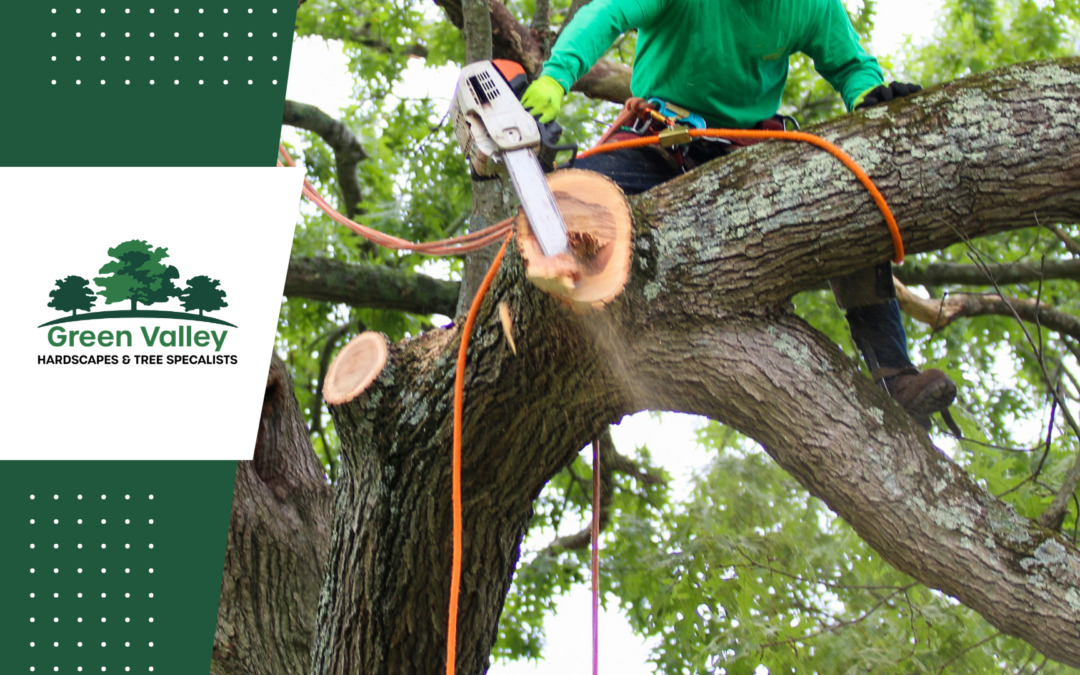
Not every struggling tree needs to come down, but when one does, the difference between a smooth project and a costly disaster comes down to who handles the job and how. Whether you’re a homeowner dealing with a leaning trunk after monsoon season or a property manager planning removals across a commercial site, this guide walks you through every stage of professional tree removal-from the first arborist assessment to the final stump grinding pass and replanting plan.
Key Takeaways
-
Start with a certified arborist assessment to determine whether tree removal, tree pruning, or treatment is the safest and most cost-effective option for your property.
-
The tree removal process should follow strict safety protocols, use pro-grade equipment, and include stump grinding or stump removal plus full cleanup to leave the site better than before.
-
Tree removal cost in 2026 typically ranges from a few hundred dollars for small trees to several thousand for large, hazardous removals-depending on size, access, risk, and multiple services needed.
-
Always choose a fully insured tree service company with certified arborists for both residential and commercial tree services to protect your property and reduce liability.
-
Plan ahead for permits, utility checks, and replanting so your yard or commercial site looks better and is safer after the project than before.
Understanding When Tree Removal Is Necessary
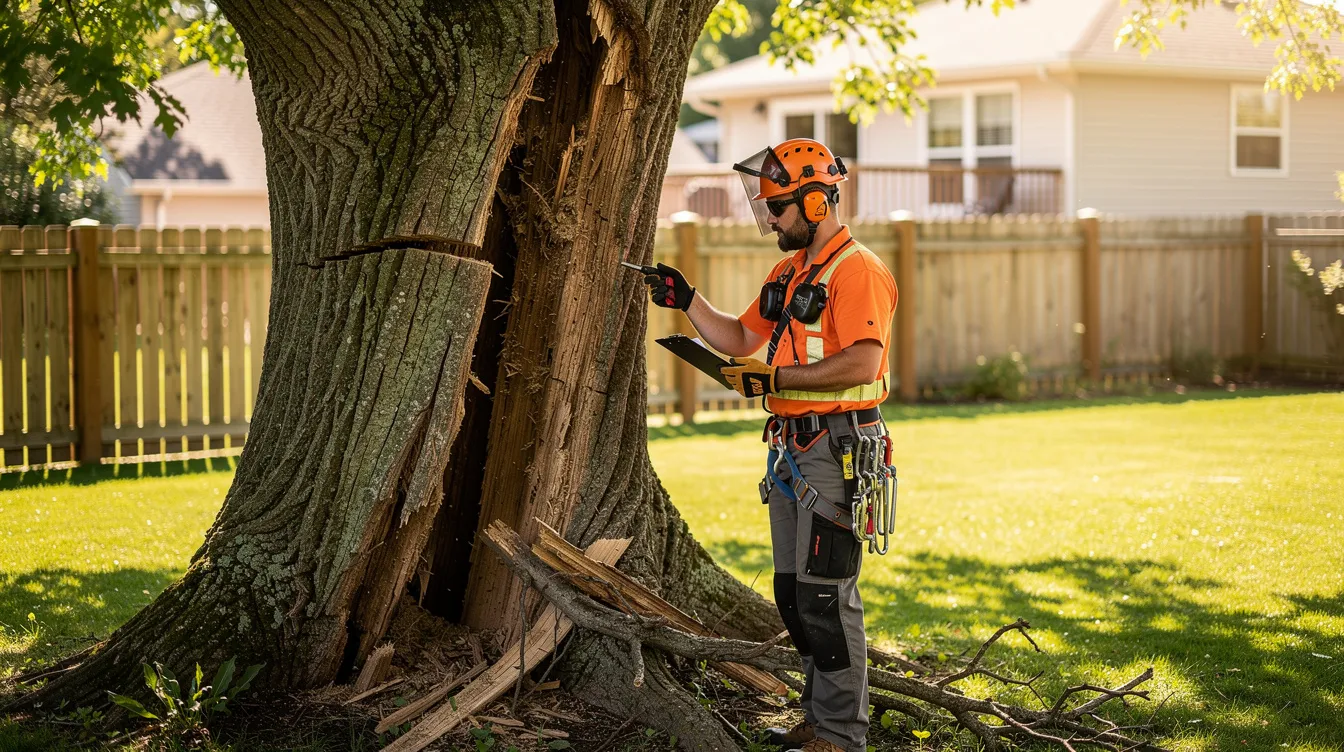
Not every problem tree needs to be cut down. Certified arborists should inspect trees to determine health and safety risks before any removal decision is made. That said, certain warning signs in 2026 Central U.S. and Southwest climates make removal the safest choice. It is often beneficial to consider alternatives to tree removal such as pruning, but some situations leave no room for half-measures.
Common safety red flags that indicate removal:
-
Severe trunk cracks or splits visible from the ground
-
Root heaving after heavy storms, especially during the June–September monsoon season
-
A sudden lean developing after high wind events
-
Large dead branches hanging over driveways, walkways, or gathering areas
-
Limbs tangled in or dangerously close to power lines (always contact utility companies if trees are near power lines before removal)
Health-related causes include invasive pests like the emerald ash borer, which continues to devastate ash trees in many U.S. cities. Fungal decay, heart rot, and extensive dieback after multi-year droughts or heatwaves also signal irreversible decline. Diseased or infested trees can threaten the health of nearby plants, making timely action critical for the rest of your landscape.
Structural and property reasons cover trees planted too close to foundations, sidewalks buckled by roots, overgrown canopies shading rooftop solar panels, and trees blocking commercial signage or security cameras. Key indicators for tree removal include significant leaning and large dead branches. In cases of structural damage or decline, tree removal is typically justified.
When tree pruning or cabling can manage the risk, a certified arborist will recommend that route first. But when more than half the crown is dead, the trunk is hollow, or a lean points directly at a house, removal eliminates unacceptable risk. Tree removal can improve safety by eliminating dead or hazardous trees. Tree removal is often required when the tree is damaged or diseased beyond recovery.
Example: Consider a 60-foot cottonwood overhanging a backyard pool in Chandler, AZ after a 2025 windstorm. If root damage is extensive and the trunk shows internal decay, no amount of pruning will protect the pool and patio. Removal becomes the only responsible option.
The Tree Removal Process Step by Step
Here is what a legitimate, professional tree removal looks like from first call to final walkthrough. The tree removal process generally includes assessment, site preparation, removal, and cleanup.
-
Initial site visit: A certified arborist or estimator inspects the tree’s condition-photographing cracks, decay, pest damage-and checks proximity to structures, fences, pools, and utilities. They evaluate access points for equipment such as gates, driveways, and slopes. Professional arborists assess tree health and safety during this visit to determine the best approach.
-
Permitting and utility coordination: Many municipalities require permits for removing trees above a certain size or for protected species. In Phoenix, removing a protected tree without a permit can lead to fines exceeding $10,000. Crews call 811 to locate underground utilities before digging or stump removal. Overhead power lines are coordinated with the utility company if the tree falls within minimum approach distances. Local regulations may require permits for tree removal in your area.
-
Securing the work area: The crew sets cones at the curb, ropes off drop zones, lays plywood over lawns and hardscapes to protect surfaces, and positions traffic cones or flaggers for busy commercial properties. Planning the job is crucial for safe tree removal operations.
-
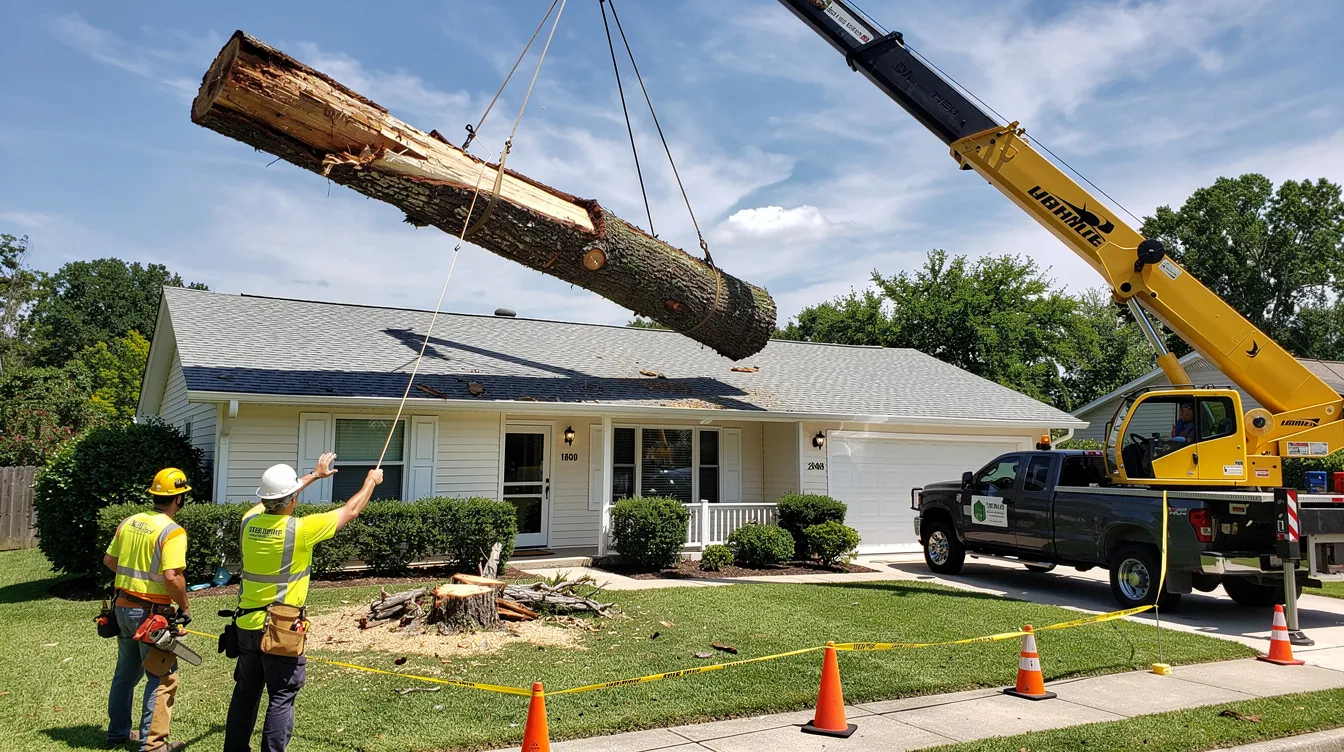
Rigging and cutting: Depending on the situation, climbers use ropes and saddles, bucket trucks reach branches where access allows, and cranes handle very large or confined urban removals. Limbs are lowered in controlled sections over roofs and structures using specialized equipment. Using pro-grade gear is essential for safe tree removal. Professionals have the training and equipment to manage tree removal hazards safely.
-
After the trunk is down: The team handles limbing (removing branches), bucking logs into manageable sections, feeding debris into a chipper, and optionally stacking logs for firewood. Material is loaded and hauled off-site unless the homeowner wants the wood.
-
Final steps: Stump grinding or stump removal is completed based on the contract, the hole is backfilled, the area raked clean, and hard surfaces blown free of debris. A walkthrough with the property owner confirms satisfaction and checks for any property damage. Professional tree removal should follow ANSI A300 safety standards throughout this entire process. Professional tree removal minimizes damage to surrounding property when done correctly.
Tree Removal vs. Tree Pruning: Choosing the Right Service
Proactive tree pruning is almost always cheaper and better for the landscape than crisis-driven removal. Understanding when each service fits saves homeowners money and keeps trees healthy longer. Tree trimming promotes healthier tree growth when performed on a regular schedule.
What tree pruning and trimming include:
-
Crown cleaning (removing dead and diseased wood)
-
Crown reduction (lowering height and spread)
-
Deadwood removal to reduce falling branch risk
-
Structural pruning for young trees to prevent future problems with weak branch unions
When pruning is the preferred choice:
-
Branches interfering with roofs, gutters, or walkways
-
Moderate storm damage where the trunk and roots remain sound
-
Clearance over sidewalks, parking lots, or signage
-
Improving airflow through the canopy to reduce disease pressure
When removal is the only realistic option:
-
More than 50% crown dieback
-
Hollow or severely decayed trunks
-
Severe root damage from construction or soil removal
-
Trees leaning toward a house after soil saturation events
-
Species with inherently weak branch unions that cannot be corrected
For commercial tree services, corporate campuses and apartment communities blend annual pruning cycles with occasional removals to maintain curb appeal and safety across the property.
Rule of thumb for homeowners: If more than one-third of the canopy is dead or decayed, certified arborists typically recommend removal rather than continued pruning. This saves repeated cost and reduces ongoing risk.
Stump Removal and Stump Grinding Explained
Leaving a stump behind after a tree comes down is rarely a good idea. Stumps create trip hazards, damage mower blades, invite aggressive regrowth from species like mulberry, and attract pests. Over time, a rotting stump attracts damaging pests including termites and carpenter ants that can spread from the decaying wood to nearby fence posts, decks, and structures.
-
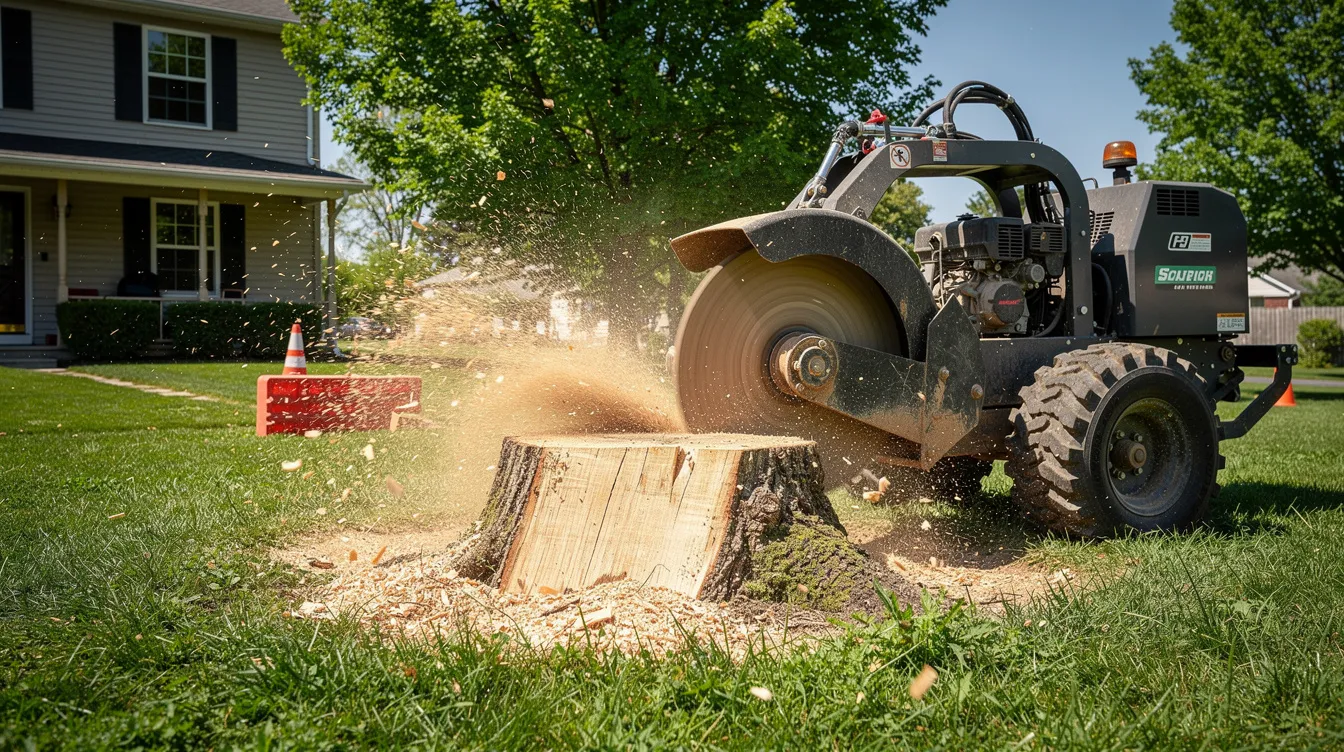
Stump grinding vs. full stump removal: Stump grinding removes stumps below ground level-typically 6 to 12 inches beneath the surface-using a mechanical grinder. Full stump removal involves excavating the entire stump and root ball with heavy machinery, leaving a larger hole but completely eliminating regrowth potential.
-
The grinding process: The operator positions the grinder over the stump and makes sweeping passes, chewing through the wood and surface roots. Wider grinding is performed when the homeowner plans on replanting in the same spot.
-
When full removal is recommended: New foundations, patios, driveway extensions, or situations where certain species aggressively sucker even after shallow grinding all call for complete excavation.
-
Cleanup and restoration: Wood chips from grinding can be hauled away or spread as mulch around shrubs and beds. The remaining hole is filled with topsoil and can be sodded or reseeded during the next planting season.
-
Pest concerns specific to the region: In the Phoenix metro, termites are a year-round concern. Rotting stumps become habitat for termites and carpenter ants, which can then migrate to your house, pergola, or wooden fence. Removing the stump eliminates this bridge.
Residential vs. Commercial Tree Services
The needs of a single-family homeowner look different from those of a property manager overseeing an HOA, retail center, or medical office complex. Both deserve the same quality of care, but the scope, scheduling, and documentation differ significantly.
Typical residential tree services include:
-
Hazardous or dangerous tree removal after storms or disease
-
View clearing and space reclamation for new pools, patios, or additions
-
Tree pruning over roofs, pools, and play areas
-
Backyard stump grinding
-
Selective removal for landscape redesigns
Commercial tree services typically involve:
-
Large-scale tree inventories and risk assessments
-
Phased removal plans for aging or intensive-maintenance trees
-
Clearance pruning over parking lots and ingress/egress lanes
-
Work scheduled before or after business hours to avoid disrupting tenants
-
Rapid response after storms-emergency tree services are available 24/7
Multiple services are commonly bundled for commercial accounts: scheduled pruning, plant health care (including pest and disease management), storm inspections, and prioritized emergency response, often written into annual contracts.
Insurance and liability: Commercial properties demand higher liability coverage, COIs naming property managers as additional insured, safety documentation, and sometimes bonds. Residential clients should still verify coverage but generally deal with simpler paperwork.
Example: A business park in Phoenix removed several dead pine trees, ground the stumps, and replanted drought-tolerant native shade trees-mesquites and palo verdes-to reduce water use, lower heat load, and improve tenant satisfaction. Tree care services include pest and disease management to treat existing issues and protect the investment in new planting, often delivered as part of broader residential and commercial landscape design and tree services. Mature trees can contribute to property value and neighborhood character, so strategic replacement makes strong financial sense.
How Much Does Tree Removal Cost in 2026?
Tree removal cost varies widely based on the specifics of each job. Professional removal can be costly depending on tree size and location, but understanding the factors that drive price helps homeowners and property managers budget accurately. An arborist needs to assess the tree in person for accurate pricing.
2026 Phoenix-area cost ranges:
|
Tree Size |
Height Estimate |
Typical Cost Range |
|---|---|---|
|
Small tree or young palm |
Under 15 ft |
$300 – $600 |
|
Medium tree (mesquite, mid-size species) |
15 – 40 ft |
$700 – $3,000 |
|
Large tree (eucalyptus, mature species) |
40 – 70 ft |
$1,500 – $6,500+ |
|
Very large or specialty (tall palms, saguaros) |
80+ ft |
$2,600 – $5,500+ |
|
Tree removal costs depend on tree size and condition, but several other factors influence the final estimate. |
|
|
Key cost drivers:
-
Tree height and trunk diameter
-
Species density (hardwood vs. softwood affects cutting time and weight)
-
Proximity to structures, pools, or fences
-
Slope and limited access requiring climbers instead of bucket trucks
-
Need for cranes on confined urban lots
-
Protected species or permit requirements
Additional line items often not included in base price:
-
Stump grinding ($100–$400 in Phoenix depending on stump diameter)
-
Hauling away logs vs. leaving wood on site
-
After-hours or emergency surcharges (50–100% premium for rapid response)
-
Extra fees for difficult sites like rooftop courtyards or tight alleys
Example comparison: A small ornamental tree in an open front yard might run $350 total, while a 70-foot eucalyptus overhanging a garage with limited truck access could reach $5,000+ once crane rental, rigging, and stump grinding are factored in. Complex tree removals can lead to higher costs due to risks.
Getting accurate estimates: Have an arborist inspect in person, request itemized quotes for tree removal services and stump removal, and compare more than just the lowest price. Free estimates are commonly offered by reputable companies. A fully insured, professional crew may not quote the cheapest price, but they reduce the risk of property damage and hidden costs that happen with unlicensed contractors. Removing a tree can also lead to increased cooling costs due to loss of shade-factor that into long-term planning. On the flip side, tree removal can increase sunlight and usable space in yards.
Why Work With Certified Arborists and Fully Insured Tree Services
A certified arborist holds credentials through the International Society of Arboriculture (ISA), meaning they’ve passed a rigorous exam covering tree biology, risk assessment, soil science, and care standards, and they maintain that certification through ongoing education. ISA Certified Arborists ensure safe tree removal practices grounded in science rather than guesswork.
Advantages of certified arborists:
-
Formal training in tree biology, disease identification, and structural assessment
-
Knowledge of proper pruning standards (ANSI A300) that protect remaining trees and structures
-
Ability to determine the right approach-removal, treatment, or pruning-based on research and field experience
-
ISA Certified Arborists ensure safe and efficient tree removal by following established protocols
Ongoing education matters. Certified arborists stay current on new pests, regional weather impacts, and best practices relevant to climate shifts affecting the Southwest. This isn’t static knowledge-what worked a week ago may evolve as new threats emerge.
Why fully insured matters: Working with a fully insured tree service means the company carries general liability and workers’ compensation insurance. This protects homeowners and property managers from financial exposure if an accident damages your valuable property or injures a crew member on your land. Tree removal services should be licensed and insured for safety.
Verification tips:
-
Ask for copies of current insurance certificates
-
Confirm ISA certification numbers
-
Read local reviews from residents in your area
-
Confirm the company owns and regularly maintains its equipment and tools
Risk scenario: Imagine a large limb dropping through a roof during removal. A properly insured, professional tree service handles the damage claim through their liability coverage, coordinates repairs, and covers medical costs if needed. A fly-by-night crew with no insurance leaves you dealing with the bill and a homeowner’s claim that could cost thousands.
Safety Standards and Risk Management in Tree Removals
Behind every clean, efficient removal is a detailed safety plan that most homeowners never see. Here’s a behind-the-scenes look at how professional crews keep everyone safe during complex and often dangerous jobs.
-
Pre-job safety practices: Every job starts with a crew briefing covering drop zones, escape routes, and emergency procedures. Designated spotters watch crane operations and overhead cuts. Traffic management plans are set for work near busy streets.
-
Personal protective equipment (PPE): Helmets with chin straps, eye and ear protection, chainsaw-rated chaps or trousers, high-visibility vests, and fall-arrest harness systems for climbers. This isn’t optional-it’s standard for every team member on site.
-
Weather and soil go/no-go decisions: High wind, lightning, saturated soil that destabilizes roots, and extreme heat all factor into whether work proceeds or gets rescheduled. In Phoenix, summer temperatures can make afternoon work hazardous for crew health. These decisions protect both workers and the property.
-
Utility hazard management: Crews maintain minimum approach distances from power lines per OSHA guidelines. When a tree is within strike distance, the power company may need to de-energize lines. Underground utilities are marked before stump grinding or root ball excavation to prevent severing gas, water, or communication lines.
-
Compliance and documentation: Reputable companies align with OSHA standards and ANSI Z133 safety requirements for arboricultural operations. They document incidents, maintain equipment service logs, and keep training records current. Professional tree removal minimizes damage to your property when these rules are followed consistently.
Preparing Your Property Before Tree Removal Day
Homeowners and property managers can speed up the job, reduce risk, and often save money by preparing the site 24 to 48 hours before the crew arrives.
Practical tasks to complete before the team shows up:
-
Move vehicles from driveways and street fronts to give trucks and chippers clear access
-
Clear patio furniture, toys, grills, planters, and potted shrubs from the work area and any likely drop zones
-
Notify adjacent property owners when overhanging limbs or shared driveways will be affected-confirm access to side yards or alleys
-
Secure pets indoors and schedule around children’s outdoor playtimes; keep windows closed near heavy work areas to protect against dust and debris
-
Unlock gates, confirm width clearance for skid steers or stump grinders, and request temporary matting over delicate lawns or pavers if needed
Quick pre-removal checklist:
|
Task |
Done? |
|---|---|
|
Vehicles moved from work zone |
☐ |
|
Outdoor furniture and fragile items cleared |
☐ |
|
Neighbors notified |
☐ |
|
Pets and children secured |
☐ |
|
Gates unlocked, access confirmed |
☐ |
|
Windows near work area closed |
☐ |
|
This small investment of time on your part helps the crew work safely and finish on schedule-often within the same week. |
|
Aftercare, Replanting, and Long-Term Tree Health
Tree removal is the start of improving your landscape, not the end. The newly opened space is an opportunity to redesign for safety, shade, and visual appeal.
-
Managing the grindings and backfill: Expect the filled area to settle over the first few months. Top off with additional soil as needed. Wait until settling stabilizes before laying sod, seeding, or building over the spot. Tree removal can increase the risk of erosion or drainage issues in properties, so monitor grading and water flow during the first rainy season.
-
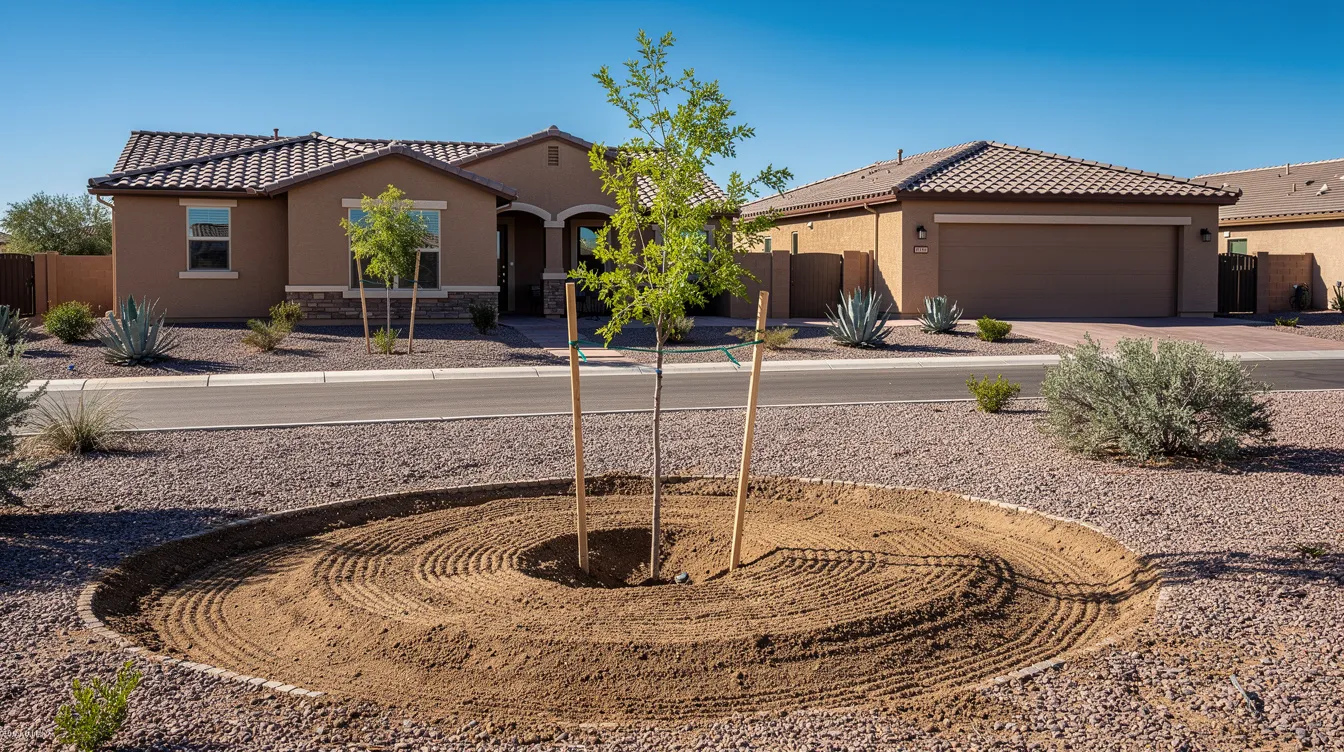
Choosing replacement trees: Work with a certified arborist to select drought-tolerant, wind-resistant, or native species suited to your climate. In the Phoenix metro, palo verdes, desert willows, and ironwoods perform well with minimal water. Avoid repeating the same species that failed-if disease took out an ash, don’t plant another ash.
-
Spacing and placement guidelines: Keep new trees at appropriate distances from foundations, septic systems, driveways, overhead lines, and planned future structures like pools or patios. Proper placement now prevents costly removal later.
-
Ongoing tree services after replanting: Schedule structural tree pruning during the first few years to develop strong branch architecture. Monitor for pests, mulch properly (keeping mulch away from the trunk), and follow watering guidelines for the first two to three growing seasons to establish healthy root systems.
View removal as a chance to build a better outdoor space. The right replacement tree, planted in the right spot, adds shade, curb appeal, and long-term value to your property.
Choosing the Right Tree Removal Service in Your Area
This section is your practical buyer’s guide for evaluating local providers-whether you’re a homeowner with one hazardous tree or a property manager coordinating a multi-site project.
Must-have qualifications:
-
Licensed (where required by your municipality)
-
Fully insured with general liability and workers’ compensation
-
Staffed with certified arborists, not just laborers with chainsaws
-
Experienced with both residential and commercial tree services
Key questions to ask before signing:
-
What is the turnaround time from estimate to completion?
-
Who will be on-site supervising-an arborist or a general labor lead?
-
Is stump grinding included, or is it a separate line item?
-
Is debris hauling extra, and how do you handle cleanup?
-
How do you protect my property (lawns, fences, driveways)?
Comparing providers:
-
Read recent online reviews from local residents and business owners
-
Look at before-and-after photos of completed work
-
Check how long the company has served your community
-
Review sample contracts for clear scope and price breakdowns
Reputable companies offer a free estimate and provide transparent, written quotes. They explain the tree removal process clearly before any work begins, so you know exactly what will happen and what it will cost. Emergency tree services are available 24/7 for storm damage situations that can’t wait.
If you’re ready to protect your property and get the job done right, reach out to a local, reputable tree service for an on-site assessment. The best time to schedule is before the next storm-not after.
Frequently Asked Questions About Tree Removal
These answers cover practical questions that come up regularly when homeowners and property managers are researching tree removal options.
How long does a typical tree removal take?
A small, easily accessed tree in an open yard usually takes one to three hours. Large or complex removals-trees over structures, near power lines, or in tight spaces-can take a half day to a full day. Multi-tree projects or jobs requiring crane work may stretch across two or more days. Your arborist should provide a realistic timeline during the estimate.
Do I need a permit to remove a tree on my property?
Requirements vary by city and HOA. Many municipalities protect street trees, heritage trees, and certain native species like saguaros in Arizona, where violations can carry fines up to $25,000 per plant. Check your local ordinances or ask your tree service to handle the permit process on your behalf-most experienced companies know the local rules well.
Can I stay at home while the tree removal work is being done?
Yes, it’s generally safe to remain indoors. However, outdoor access near the work zone will be restricted, and you should keep pets and children inside until the crew confirms the area is clear. Close windows on the side of the house facing the work to keep out dust and debris.
What happens to the wood and wood chips after tree removal?
Common options include hauling everything away, leaving logs for firewood, spreading chips as mulch in garden beds, or a combination. This should be agreed on and documented in the written estimate before work begins so there are no surprises on removal day.
Is winter or summer better for tree removal?
Dormant-season removal offers better visibility of tree structure and reduces landscape damage from heavy equipment. Summer scheduling can be easier for some companies, and it allows immediate removal after storm damage. The bottom line: hazardous trees should be removed as soon as safely possible regardless of season. Don’t wait for the “perfect” time if the tree poses a genuine threat.