
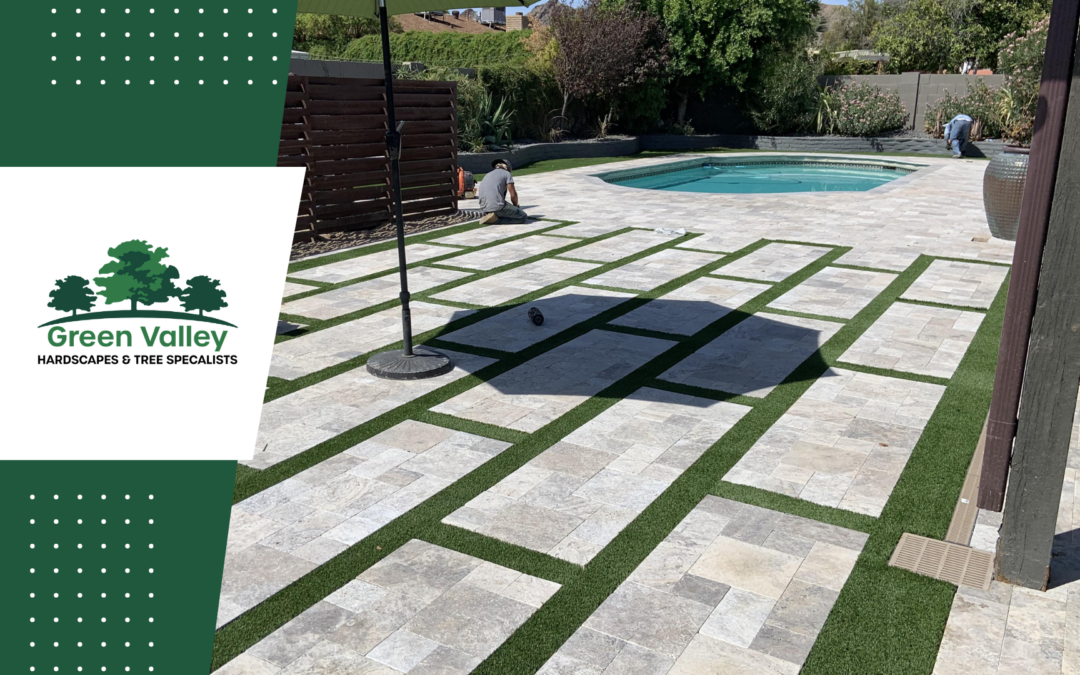
A backyard renovation in Scottsdale is not the same as remodeling a yard in a cooler, wetter part of the country. This guide walks through a realistic six-week plan for turning a dusty Sonoran Desert yard into a comfortable, low-maintenance outdoor living space built for heat, monsoon rain, and year-round use.
Key Takeaways
-
Scottsdale backyard renovation projects should begin with site analysis, HOA review, budget planning, and a clear backyard design before construction starts.
-
A six-week schedule can work for demolition, pavers, lighting, new plants, seating areas, and final outdoor entertaining setup after approvals are complete.
-
Budget-friendly backyard makeover ideas include pea gravel patios, raised garden beds, DIY fire pit zones, and adding string lights.
-
Higher-end upgrades may include a pergola, outdoor kitchen, hot tub, stock tank pool, custom lighting, and premium stone pavers.
-
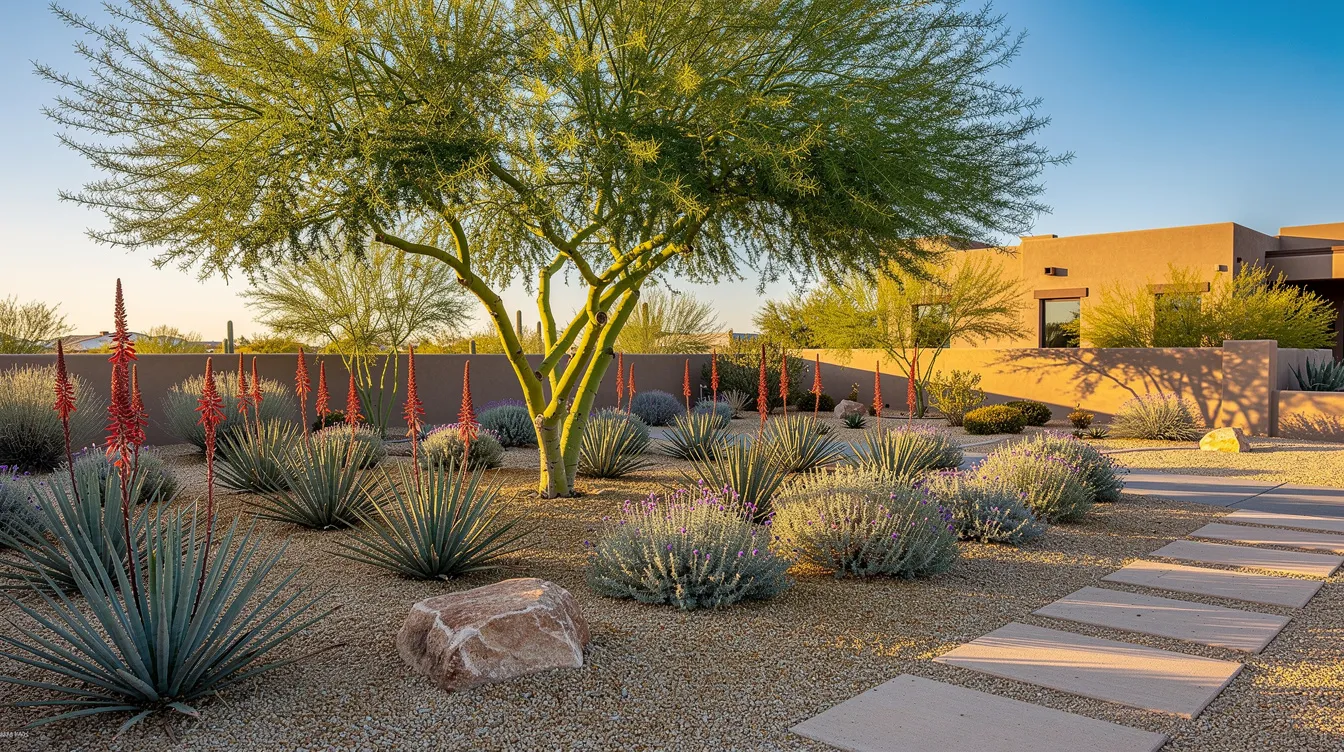
The best results use Scottsdale-appropriate materials and plants such as decomposed granite, palo verde trees, red yucca, Texas sage, bougainvillea, and drip irrigation.
Start With a Scottsdale Landscape Design Consultation
In early March 2026, a typical first visit might start at a North Scottsdale house, where designers walk the existing backyard with the homeowners, measuring the back yard, checking the sliding door location, and noting where the afternoon sun hits hardest. This is where the project moves from general inspiration to a workable plan.
A successful backyard renovation requires a phased approach: assessing the space and budget, defining functional zones, and selecting the right materials. Professional teams like Green Valley Hardscapes & Tree Specialists can help translate these priorities into a cohesive, HOA-compliant outdoor plan. Conduct a site analysis to evaluate sun/shade patterns, wind directions, and drainage slopes. Check sun and shade patterns to properly place seating areas or gardens before installation, especially with Scottsdale’s brutal west sun and monsoon winds.
Before digging, research local zoning laws, HOA restrictions, and property line setbacks before beginning outdoor renovations. Communities like DC Ranch and McDowell Mountain Ranch often require landscape design approval, and the City of Scottsdale’s Landscape Design Guidelines encourage desert-sensitive design with shade trees, screening, and limited barren rock areas.
During the consultation, capture:
-
Measurements, photos, sun angles, drainage notes, and existing trees
-
A wish list: more privacy, kid space, pet zones, garden beds, chicken coop, fire pit, patio, and outdoor furniture
-
Constraints: HOA rules, access, utility locations, budget, schedule, and usable space
-
Budget tiers such as $10k, $25k, and $50k+ so the backyard makeover can be phased if needed
Transform your backyard by establishing zones for specific activities and connecting them with defined pathways. Define function by determining how the space will be used, such as for outdoor dining or children’s play. Zone the space by dividing the yard into dedicated areas for dining, lounging, cooking, or playing.
Week One: Demolition and Site Prep
Real transformation starts once permits or HOA approvals are cleared and construction begins, ideally in mid-spring before peak heat. Many Scottsdale suburban lots are 6,000–8,000 sq ft, so debris hauling, equipment access, and dust control matter.
Crews remove water-hungry lawn, cracked concrete from the early 2000s, failing sprinklers, dead shrubs, and tired patio furniture. Overgrown oleanders may be cut back or removed, while healthy shade trees such as a mature mesquite are protected with temporary fencing.
Existing irrigation is capped and mapped so a new drip system can serve trees, shrubs, raised beds, and new plants. In Scottsdale’s USDA Zone 9b climate, efficient irrigation is not optional; it is the backbone of desert landscaping.
The ground is then regraded away from the house. Subtle slopes direct monsoon runoff toward gravel swales, dry creek beds, or river rock channels instead of the foundation, patio, or walkway. Maintain clear, unobstructed pathways that connect each distinct zone seamlessly.
Week Two: Building the Backbone of Your Outdoor Living Space
Week two installs the hardscape that defines the outdoor space: patios, paths, utilities, and foundations. Hardscaping should be laid down first, including foundations like retaining walls and outdoor kitchens.
A main paver patio off the back door usually begins with compacted road base and sand-set pavers. Size it for a 6–8 person dining table, grill, and enough room to walk around chairs. Many homeowners partner with hardscape and masonry specialists to design patios, walkways, and seating areas that fit both their budget and entertaining style. Choosing between a lawn or a patio is a significant decision in backyard design; a grassy lawn is ideal for children, while a stylish patio is better for entertaining guests.
For durability, consider materials like porcelain pavers, which are weatherproof and slip-resistant. Travertine, stone pavers, textured concrete, and large-format porcelain are popular in Scottsdale because light colors stay more comfortable underfoot than dark materials. Use hardscape contrast by pairing dark mulch or river rocks with light-colored pavers.
Popular hardscape options include:
-
Travertine: cooler, elegant, ideal near a pool
-
Porcelain pavers: durable, low-maintenance, modern
-
Textured concrete: clean, cost-effective, but needs expansion joints
-
Pea gravel or decomposed granite: affordable, permeable, desert-appropriate
-
Wood edging: useful for gravel paths and informal garden zones
Pea gravel or decomposed granite can define secondary seating areas, garden paths, and a casual deck alternative without covering the whole yard in pavers. Installing a pea gravel patio is an affordable DIY project that can be completed in two to three days and does not require advanced skills.
This is also the time to trench conduit for low-voltage lighting, gas for a future fire pit or outdoor kitchen, and outlets for heaters, a hot tub, or string lights. If the lot slopes, add two or three broad steps, a low wall, or a raised seating area to create visual interest.
Week Three: Fire Pit, Shade, and Seating Areas
By week three, the yard starts to feel less like a construction zone and more like an outdoor entertaining space. The fire pit, shade, and seating layout bring the design to life.
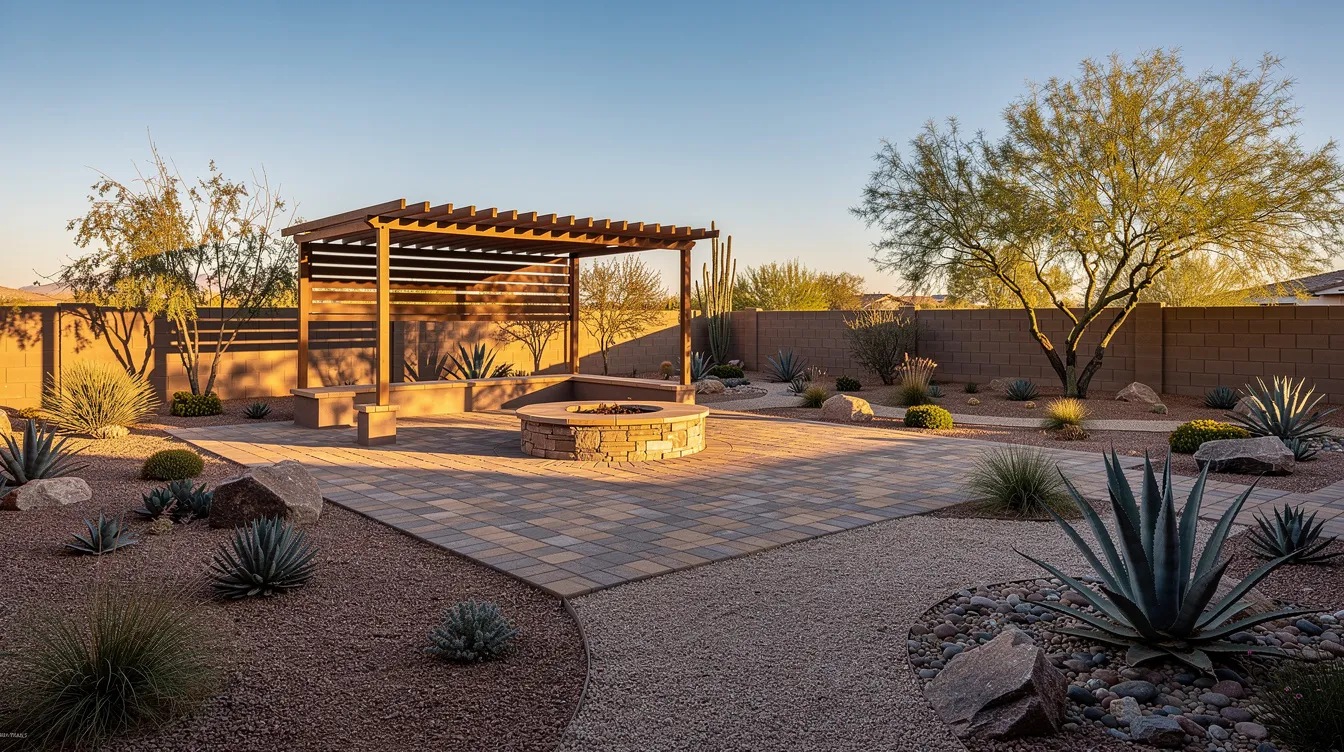
A backyard with a fire pit can be great for casually spending time with friends or family, even when it’s a bit chilly. Installing a fire pit can create a cozy gathering spot in your backyard, extending the time you can enjoy outdoor spaces during cooler evenings. A custom gas fire pit with lava rock works well on a paver pad, while a DIY steel bowl on a pea gravel circle can be finished in one weekend by handy homeowners.
Seating should leave enough circulation space for guests, side tables, and a clean path to the house. Use sectional sofas, Adirondack chairs, built-in benches, or movable outdoor furniture depending on how your family and friends gather.
Shade is critical in Scottsdale. Vertical structures like pergolas can define outdoor “rooms” and shield views from neighbors. An attached pergola, freestanding pergola, shade sails, or a privacy fence can provide more privacy and reduce western exposure. Keep fire pits at code-appropriate distances from structures and orient the seating to capture mountain or desert views when available.
Week Four: Plants, Turf Alternatives, and Functional Zones
Week four shifts from bones to greenery. Layering hardscaping with softscaping helps create a balanced and inviting outdoor environment. Layer your plants by combining tall trees, medium shrubs, and low perennial flowers to build depth and texture.
Choose plants that tolerate 110°F+ summers, alkaline soil, and low water once established:
-
Palo Verde: airy canopy and Scottsdale character
-
Desert Willow: filtered shade and spring flowers
-
Texas Sage: silver foliage and purple blooms
-
Red Yucca: sculptural form and low water use
-
Bougainvillea: color and screening in protected spots
-
Lantana or Penstemon: low flowers for pollinators
-
Olive or Ironwood: strong feature trees where suitable
Artificial turf, low-water hybrid grasses, and groundcovers can replace a traditional lawn. Real grass can work in a small play zone, but water use and maintenance rise quickly. Rock mulch, decomposed granite, gravel, and river rock keep beds clean and modern.
Raised beds are a practical garden upgrade. Building a raised garden bed is a beginner-friendly DIY project that can be accomplished for less than $300, allowing you to grow your own vegetables and flowers. Building a raised garden bed is a beginner-friendly DIY project that can be accomplished for less than $300 and can be done in about three hours. Raised garden beds are a beginner-friendly DIY project that can be built for under $300, allowing you to grow your own vegetables and flowers.
Where HOA rules allow, a small chicken coop can sit along a side yard near the garden, with morning sun and afternoon shade.
Week Five: Lighting, Details, and Outdoor Entertaining Setup
Week five is the 95% complete stage, when lighting, furniture, and finishing touches make the backyard feel move-in ready. Use ambient, task, and accent lighting to extend the usability of the outdoor space into evening hours.
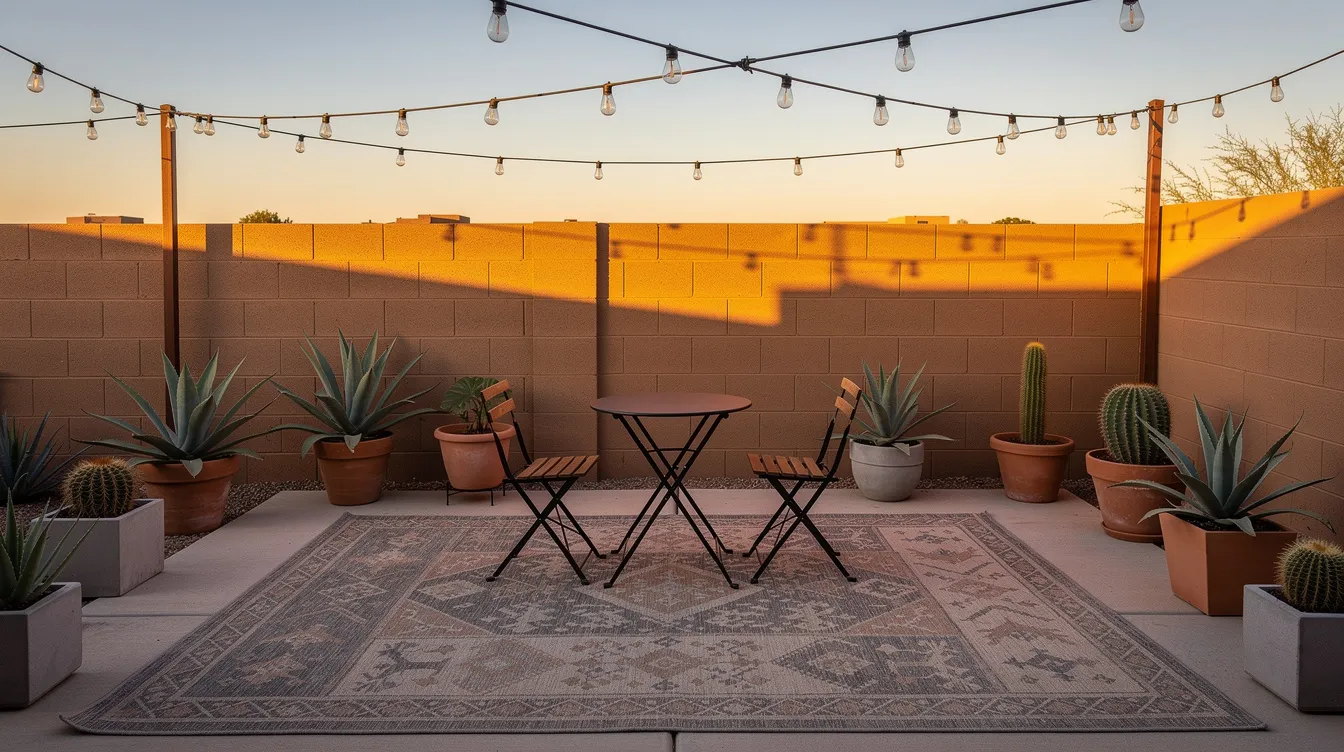
Install low-voltage path lights along the walkway, uplights on feature trees, and warm string lights across the main patio. String lights can create a warm and cozy atmosphere in a backyard, making them a popular choice for outdoor lighting. Adding string lights or lanterns can create a warm and inviting atmosphere in your backyard, enhancing the overall aesthetic for evening gatherings. Good lighting is essential in small backyards; consider adding string lights or a statement fixture to enhance the ambiance.
Place patio furniture under the pergola, a lounge set near the fire pit, and loungers by a stock tank pool or plunge pool if budget allows. Installing a stock tank pool is a budget-friendly alternative to an in-ground pool, providing a chic and fun way to enjoy your backyard. Stock tank pools are an affordable alternative to in-ground pools and can be set up in a weekend, providing a chic and fun water feature for your backyard.
Choose colors and materials that complement your home’s indoor style for outdoor spaces. Finishing touches may include rugs, pillows, lanterns, heaters, side tables, planters, a wall mural, or a small welcome sign. Install water features such as fountains or small ponds to mask neighborhood noise.
A basic grilling station can include a built-in gas grill, prep counter, and under-counter storage. If you are not ready to spend on a full outdoor kitchen, start with a grill cart and leave utilities ready for later.
Week Six: Final Walk-Through and Maintenance Plan
The final walk-through happens on a late-spring evening. Test irrigation zones, lighting timers, drainage, seating comfort, and the view from every perfect spot. A successful backyard renovation balances visual appeal with daily usability.
Homeowners should receive a plant map, irrigation layout, controller settings, valve locations, and a maintenance schedule. In Scottsdale, that means monthly drip checks, quarterly hardscape cleaning, seasonal pruning, and occasional replenishment of mulch or gravel.
Future phases might include a pergola roof, spa, hot tub, outdoor shower, pool upgrade, expanded kitchen, or more custom features. Because utilities were planned early, you can enhance the space without tearing it up from scratch.
Backyard Makeover Ideas by Budget (Scottsdale Examples)
A $10,000 backyard makeover typically includes costs for gravel pathways, planting, bark mulch, and wood edging, focusing on maximizing existing features without major construction. This budget is best for refreshing tired landscaping, adding a small seating area, and improving curb-to-door flow.
A $20,000 backyard renovation can include expanded planting, a fire pit, a water feature, and additional seating areas, significantly increasing the density of planting and features. This is a strong budget for families who want more fun, more shade, and better outdoor entertaining without a full remodel.
A $25,000 project may include a paver dining patio, shade sail, drip irrigation overhaul, low-voltage lighting, and a small turf zone. This is often the sweet spot for a practical Scottsdale backyard makeover.
A $50,000 backyard renovation may involve replacing old concrete with new pavers, adding an outdoor kitchen, and installing lighting and irrigation systems, reflecting a significant upgrade in features and materials. At $50,000+, you can explore multi-zone hardscape, built-in seating, a stock tank pool, a custom gas fire pit, and richer desert planting.
Quick comparison:
-
One weekend: pea gravel fire pit lounge, raised bed, string lights, potted plants
-
Multi-week project: paver patio, gas lines, pergola, irrigation, outdoor kitchen, remodeling old concrete
One-Weekend Backyard Makeover Ideas
If you are not ready for a full renovation, pick one focused weekend project and finish it before Monday.
Build a pea gravel fire pit lounge. Mark a circle, remove topsoil, install edging, lay landscape fabric, add pea gravel, and place a prefabricated fire bowl with 4–6 chairs. This is one of the simplest backyard ideas with a big visual payoff.
Paint an outdated block wall or add a simple mural to refresh a small urban backyard. This can make a narrow yard feel cleaner, brighter, and more intentional.
Try adding string lights from the house to posts or trees over an existing concrete pad. Hang them high enough for clearance, then add a rug, bistro table, and two chairs.
Create a compact morning coffee corner with outdoor furniture, potted desert plants, and a small side table. Even a neglected corner can become a great backyard retreat with the right installation.
FAQ: Backyard Renovation in Scottsdale, Arizona
How much does a backyard renovation cost in Scottsdale?
Modest refreshes with gravel, plants, and lighting often start around $8,000–$12,000. Mid-range projects with pavers, pergola, and fire pit often fall in the $20,000–$40,000 range, while high-end outdoor living spaces with pools, full outdoor kitchens, and extensive hardscape can exceed $75,000 depending on lot size and finishes.
What is the best time of year to renovate a backyard in Scottsdale?
The most comfortable construction windows are usually October–December and February–April. Planting is best scheduled in cooler months so roots can establish before the first 100°F+ days arrive in late May or June.
How long does a full backyard renovation usually take?
Smaller projects such as a new patio and fire pit can take 2–3 weeks once work starts. More complex backyard makeovers with multiple zones, utilities, approvals, and material lead times often take 4–8 weeks after design and HOA review.
Can I have real grass in a Scottsdale backyard renovation?
Yes, but use real grass strategically. A small play lawn or putting green can work, but artificial turf, native groundcovers, and hardscape usually reduce water use and maintenance.
How do I keep my renovated backyard low-maintenance in the desert?
Choose desert-adapted plants, limit lawn, use drip irrigation, and rely on pavers, decomposed granite, rock mulch, and gravel instead of bare soil. Keep a simple schedule for monthly irrigation checks, pruning, and seasonal cleaning so the yard stays polished without constant work.